
Sattubhatta Jataka
Sattubhatta Jataka
In the city of Mithila, the Bodhisatta was born as a humble potter named Sattubhatta. He was a man of simple living and profound integrity. His days were spent shaping clay into beautiful and functional vessels, each piece imbued with his dedication and skill.
Despite his humble profession, Sattubhatta possessed a heart full of generosity and a mind that understood the true value of contentment. He lived with his wife in a small hut, and though they had little in terms of material wealth, they were rich in spirit and shared whatever they had with others.
One day, a wealthy merchant, known for his avarice and pride, came to Sattubhatta's humble abode. The merchant, seeking to boast of his own possessions, looked down upon the potter and his simple life. He mocked Sattubhatta's meager earnings and the worn-out state of his belongings.
'You toil day and night for mere handfuls of rice,' the merchant sneered, 'while I command riches beyond your wildest dreams. You are a fool to live such a life of poverty.'
Sattubhatta, without anger or resentment, smiled gently. 'Sir,' he replied, 'you speak of wealth, but true wealth is not measured in gold or jewels. It is measured in contentment, in peace of mind, and in the joy of sharing what one has.'
The merchant scoffed at this. 'Contentment? Peace of mind? These are illusions for the poor. True happiness lies in abundance!' He then proceeded to show off his finest silks, his glittering ornaments, and his stacks of coins.
Sattubhatta listened patiently. When the merchant finally paused, Sattubhatta invited him to share a simple meal of roasted barley flour and water, the staple of his household. The merchant, though hesitant, accepted, partly out of curiosity and partly to further assert his superiority by condescendingly partaking in the poor man's meal.
As they ate, Sattubhatta continued to speak about the simple joys of life. He spoke of the beauty of the sunrise, the satisfaction of honest work, and the warmth of companionship. He explained that by limiting one's desires, one could find immense happiness even with very little.
'When a man desires little,' Sattubhatta explained, 'he is not burdened by the fear of loss. He finds joy in the present moment and is free from the anxieties that plague those who chase after more.'
The merchant, despite his initial skepticism, found himself strangely moved by Sattubhatta's sincerity and the genuine peace that radiated from him. He noticed that Sattubhatta and his wife, though they had little, seemed happier and more at ease than he, with all his wealth, ever felt.
One day, a severe famine struck Mithila. Food became scarce, and the people grew desperate. The wealthy merchant, despite his vast stores, found himself isolated, his riches unable to buy him solace or security in a starving land. He hoarded his grain, fearing that if he shared it, he would soon have nothing left.
Sattubhatta, however, with his meager provisions, continued to share what little he had. He gave a portion of his barley flour to his neighbors, and even to strangers who came to his door. He understood that in times of crisis, the spirit of community and mutual support was more valuable than any personal wealth.
The King, witnessing the widespread suffering and the merchant's callousness, was deeply disappointed. He observed Sattubhatta's unwavering generosity and his ability to find joy and purpose even amidst hardship. The King, impressed by Sattubhatta's virtuous character, summoned him to the palace.
Recognizing Sattubhatta's profound wisdom and the true meaning of wealth he embodied, the King appointed him as his advisor on matters of happiness and contentment. Sattubhatta, though humble, accepted the responsibility, bringing his simple yet profound philosophy to the court.
The merchant, witnessing the King's favor towards Sattubhatta and the respect he commanded, finally began to understand the potter's words. He realized that his own pursuit of wealth had brought him only anxiety and isolation, while Sattubhatta's contentment and generosity had brought him peace and the admiration of his community and even his King.
The Bodhisatta, as Sattubhatta the potter, taught that true happiness and wealth are found not in material possessions, but in a contented mind, generosity, and the ability to share what one has, especially in times of need. He showed that a simple life lived with integrity and compassion is the richest life of all.
— In-Article Ad —
💡කතාවේ ආදර්ශය
True wealth lies not in material possessions but in contentment, generosity, and inner peace. Sharing what little one has, especially in times of need, brings true richness.
පාරමිතා: Contentment, Generosity, Integrity
— Ad Space (728x90) —
ඔබට ප්රිය ජාතක කතා
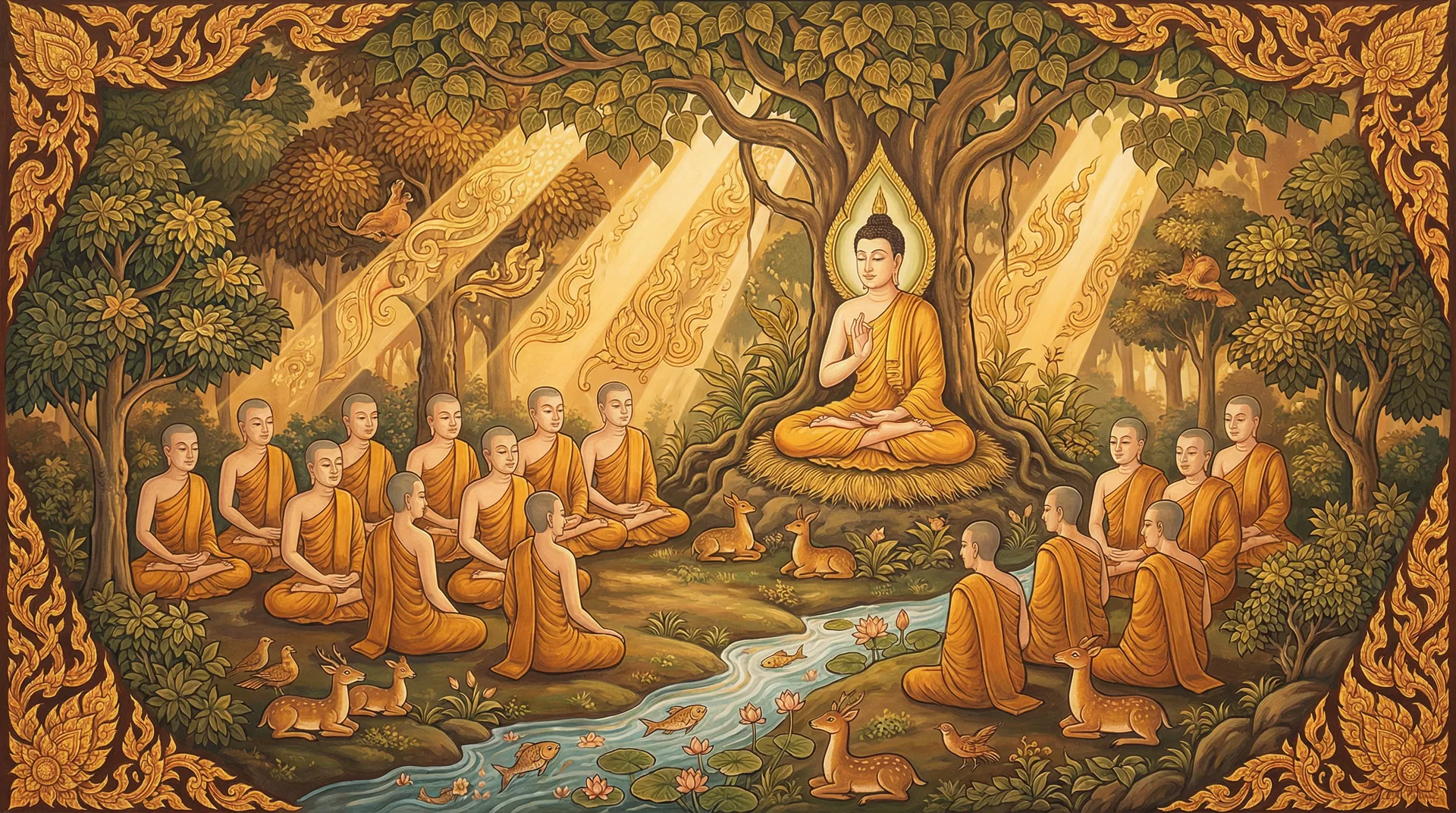 529Mahānipāta
ගංගා ජාතකය
ගංගා ජාතකයඅතීතයේ, ගංගා නම් වූ මහා නදියක් ගලා ගිය එක්තරා සුන්දර දේශයක, 'ජලධර' නම් වූ ධර්මිෂ්ඨ රජෙක් ර...
💡 සැබෑ ධර්මිෂ්ඨකම, ධෛර්යය සහ භක්තිය, දුෂ්කර ජයගෙන, උතුම් ඵල ලබා දෙයි.
188Dukanipāta188. ඛුද්දකශාඛ ජාතකය
188. ඛුද්දකශාඛ ජාතකය 1. නම ඛුද්දකශාඛ ජාතකය (Jataka Tale No. 188) 2. කතාව 2.1. ආරම්භය බුදුරජාණන් වහ...
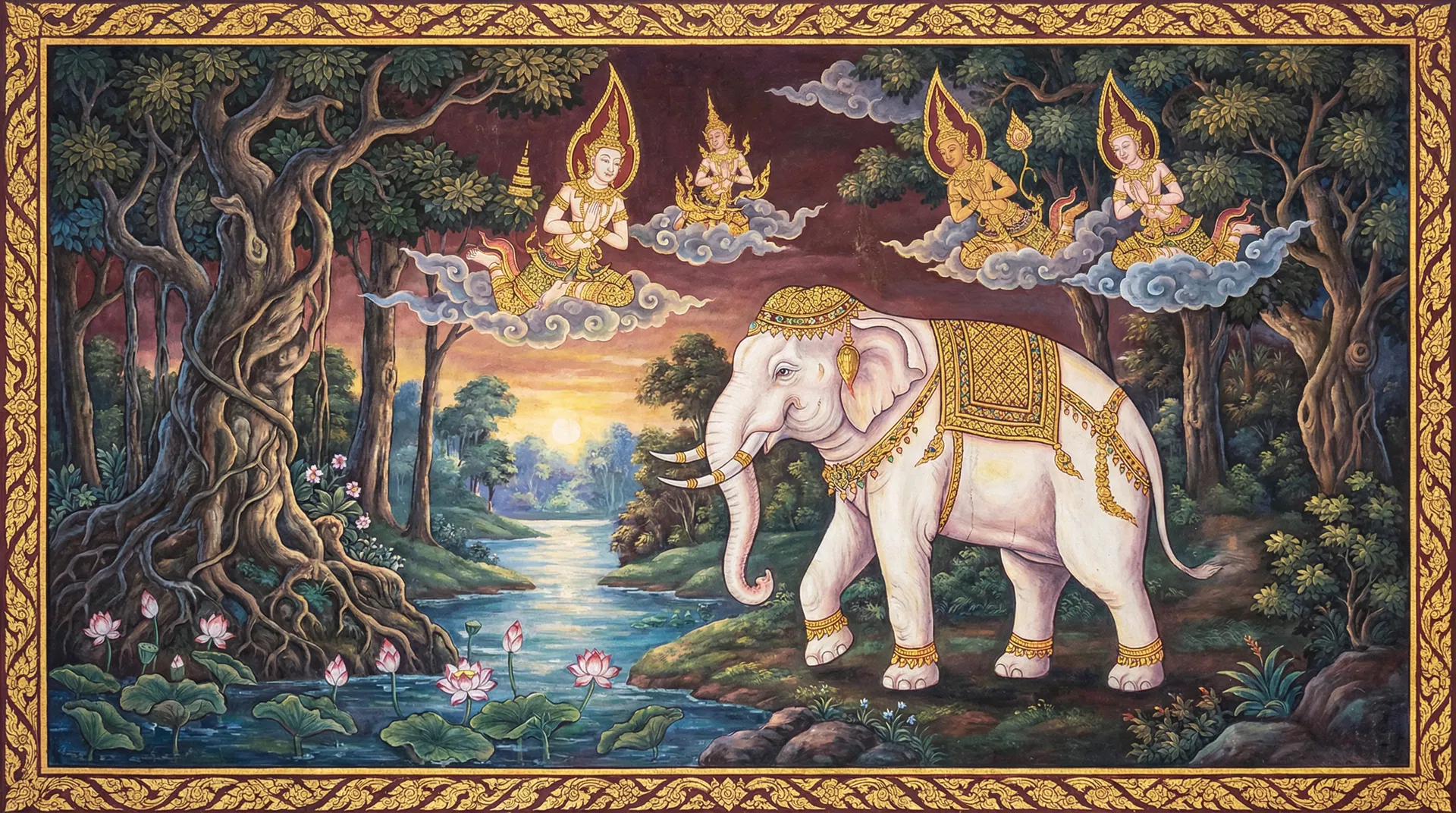 312Catukkanipāta
අන්ධයන්ගේ අලි දැක්ම
අන්ධයන්ගේ අලි දැක්මබොහෝ කලකට පෙර, අන්ධයන් පිරිසක් ජීවත් වූහ. ඔවුන් කිසිවෙකුත් කිසිවක් දැක නැත. ඔවුන්...
💡 සත්යය පිළිබඳ සම්පූර්ණ අවබෝධයක් සඳහා, විවිධ දෘෂ්ඨි කෝණ වලින් දේවල් දෙස බැලීම සහ අන් අයගේ අදහස් වලට ගරු කිරීම අත්යාවශ්යය.
 43Ekanipāta
Nimi Jataka
Nimi Jataka In the prosperous kingdom of Mithila, ruled King Nimi, a monarch renowned for his righte...
💡 The consequences of one's actions, both good and bad, are real and extend beyond this life. Cultivating the Brahma-viharas (loving-kindness, compassion, sympathetic joy, equanimity) is essential for a virtuous life and leads to heavenly rewards. Understanding the nature of suffering in hellish realms strengthens the resolve to live righteously.
16Ekanipātaකෝපයට පත් අලියා
කෝපයට පත් අලියා පුරාණ රජ දවසක්, සාරවත් දේශයක, බරණැස් නුවර රජකම් කළේ බඹදත් රජ නම් වූ ධර්මිෂ්ඨ පාල...
💡 කෝපය යනු විනාශකාරී බලවේගයක් වන අතර, කරුණාව යනු සුවපත් කරන බලවේගයකි.
14Ekanipātaරණසිංහයාගේ ධෛර්යය
රණසිංහයාගේ ධෛර්යය ඈත අතීතයේ, ඝන වනයක් මැද, රජ මාළිගාවකට සමාන වූ විශාල ගල් ලෙනක, රණසිංහයා නම් වූ බෝසත...
💡 ධෛර්යය යනු බිය නොමැතිකම නොවේ, නමුත් බිය තිබියදීත් නිවැරදි දේ කිරීමයි.
— Multiplex Ad —